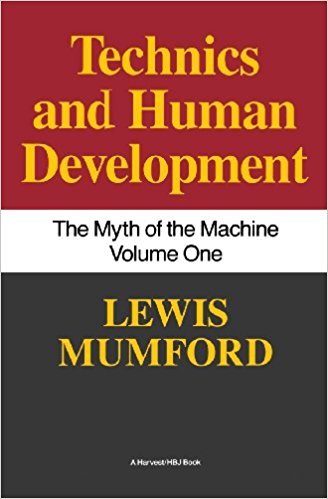
This is a book written by a historian that was able to write it without any academic styling. It is not an easy read but far easier than if written by an academic. I'll be reading volume two when I can get around to it.
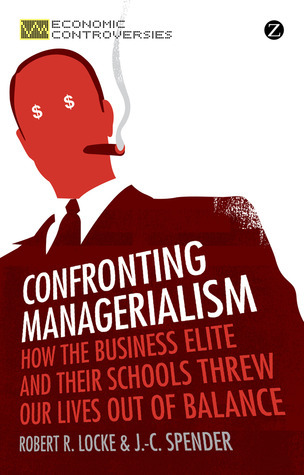
This is a relatively short book and would have been even shorter if the joint authors had not used all the material from the references. It is written by two academics, why does it take two, for other academics written in an academic style. I don't recommend it.
This is a selection of seven very discrete tales, of which three are actually short novels, which this leading Japanese contemporary has written over the past fifty years. Tanizaki is a very special writer whose tapered touch often fingers and sometimes claws special areas of experience.
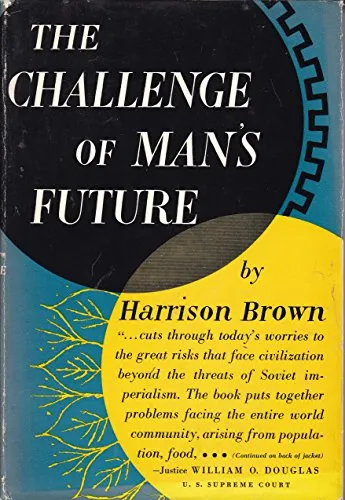
This book was published in 1954 and what the author says remains true today. His only errors were he was far to conservative in his guesses about the population growth and how much of the earth's resources they would use up by now. The last chapter is perhaps a more accurate assessment about man's future. If nothing else read it.
The Other Illinois is a 1958 nonfiction book by Baker Brownell that examines the history, culture, and economic decline of the 31 counties in southern Illinois. Published by Duell, Sloan & Pearce as part of the American Folkways series, the work is based on Brownell's research as the first director of the Division of Area Services at Southern Illinois University from 1952 to 1954.
The book details the region's transition from a prosperous area with mild climate and abundant resources to one plagued by poverty, depleted forests, and dwindling towns. Brownell analyzes the causes of this decay with clarity and humor, providing a documented study of social history that remains a key resource for understanding the unique identity of southern Illinois, often referred to as "Egypt."
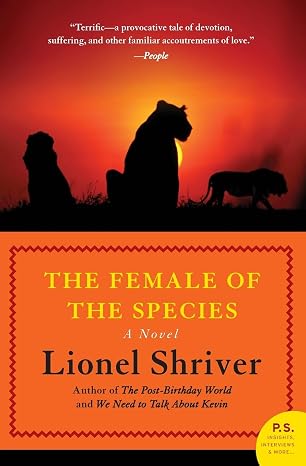
The first novel by the New York Times bestselling author Lionel Shriver, The Female of the Species is the exotic and chilling story of a highly independent and successful woman’s late-life romantic education, in all its ecstasy and desperation. Still unattached and childless at fifty-nine, world-renowned anthropologist Gray Kaiser is seemingly invincible—and untouchable. Returning to make a documentary at the site of her first great triumph in Kenya, she is accompanied by her faithful middle-aged assistant, Errol McEchern, who has loved her for years in silence.
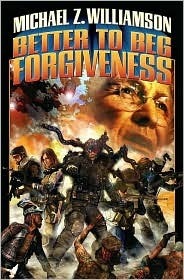
Celadon, a poor nation on a poor planet, engaged in civil war and a haven for every type of villainy in space, is ripe for cleanup. The military could pacify it handily, but it would take a statesman to fix it.But some statesmen have ethics, which politicians and megacorps find inconvenient. President Bishwanath compounded the sin by being astute, ambitious and capable. Something had to be done, because a working nation isn't much use for pork and graft.
Hig survived the flu that killed everyone he knows. His wife is gone, his friends are dead, he lives in the hangar of a small abandoned airport with his dog, his only neighbor a gun-toting misanthrope. In his 1956 Cessna, Hig flies the perimeter of the airfield or sneaks off to the mountains to fish and pretend that things are the way they used to be. But when a random transmission somehow beams through his radio, the voice ignites a hope deep inside him that a better life–something like his old life–exists beyond the airport.
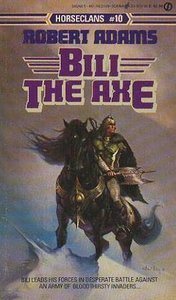
Bili leads his forces in desperate battle against an army of bloodthirsty invaders… The gathering of the host with the help of powerful inhuman allies, Prince Byruhn has persuaded Bili and his warriors to delay their return to Confederation lands and join in his campaign against the deadly invading army that threatens to destroy New Kuhmbuhluhn.