Missive #820 Published 26 Oct 2026
Today's posting is another experiment using SVG images that has given me some understanding of how to draw a circle. What I ended up with here is not all that great but what I have learned has been very good and I hope will be useful in my next experiment.Missive #819 Published 25 Oct 2026
Continuing The Anti-Federalist Papers
Federal Farmer XVIII
by Federal Farmer
Missive #818 Published 24 Oct 2026
I have been playing with some more animation code and wanted to show off my latest accomplishment. This was done for the most part on my own with Claude critiquing my work. Then after getting it to work on a …Missive #817 Published 23 Oct 2026
162. The Turban of a Scholar
People who could not read would sometimes bring letters to Nasruddin so that he could read the letters to them.
One man had brought Nasruddin a letter to read, but the handwriting was terrible.
“This is the worst handwriting I have ever seen,” said Nasruddin. “I can’t read this letter.”
The man was indignant. “You wear the turban of a scholar, but you can’t even read a simple letter from my brother.”
Nasruddin pulled the turban off his head and threw it at the man. “Go ahead! Take the turban,” he said, “and see if you can do any better!”
Missive #816 Published 20 Oct 2026
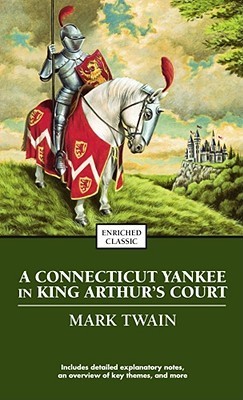
In spite of what the book promo claims I did not like this book as much as the travel books that Twain wrote. As I understand the differences in this book he has used Juvenalian satire whereas in his travel books he used Horatian satire. As the promo says it is one of the first works to feature time travel and it is one of Twain's most unique.
Missive #815 Published 19 Oct 2026
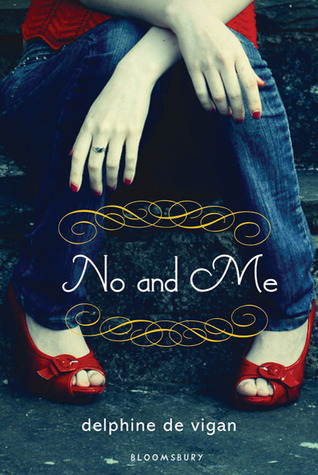
This book was first published in France in 2007 and was translated by George Miller for its 2010 English release by Bloomsbury. This was de Vigan’s first novel to be translated into English, there are a few more that I will try to find and read when time permits.
Missive #814 Published 18 Oct 2026
Continuing The Federalist Papers
Federalist No. 84
Certain General and Miscellaneous Objections
to the Constitution Considered and Answered
Author: Alexander Hamilton
To the People of the State of New York:
Missive #813 Published 17 Oct 2026
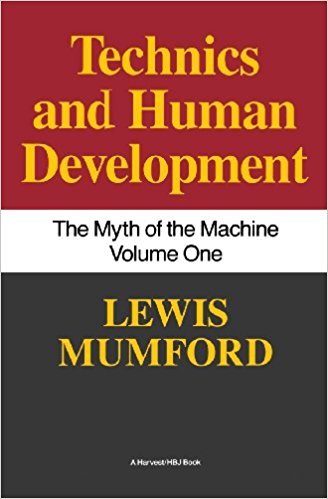
This is a book written by a historian that was able to write it without any academic styling. It is not an easy read but far easier than if written by an academic. I'll be reading volume two when I can get around to it.
Missive #812 Published 16 Oct 2026
161. Nasruddin’s Tears
Nasruddin’s wife had just given birth, but the baby was restless. She rocked the baby, sang to him, doing everything she could to lull the infant to sleep, but nothing seemed to work.
“I’ll take care of it,” said Nasruddin.
“You don’t know anything about babies!” his wife replied.
“But I know how to put people to sleep,” said Nasruddin. “My pupils often fall asleep during my lectures. I’ll try lecturing first, and if that doesn’t work, I’ll give him this boring book to read.” Nasruddin took a book down off the shelf. “It puts me to sleep every time!”
Missive #811 Published 12 Oct 2026
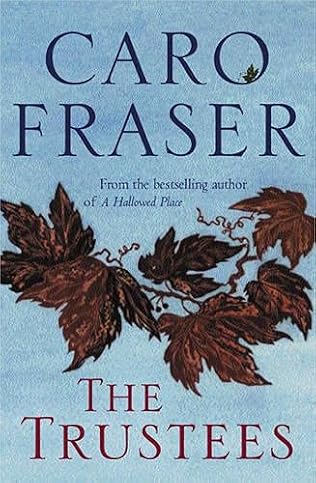
The author's previous books have been entertaining, this one I found to be very boring.