Missive #639 Published 15 January 2026
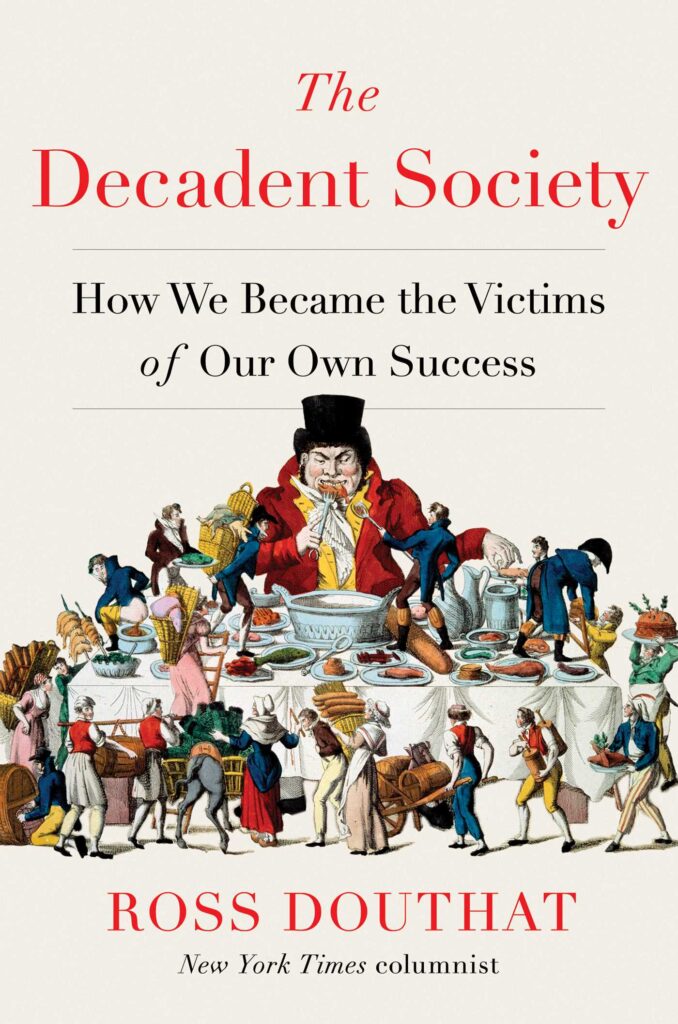

Missive #639 Published 15 January 2026
Missive #638 Published 13 January 2026

This is the seventh in the highly popular Caper Court series of novels recounting the lives and loves of a group of London barristers. An absorbing blend of romance and professional intrigue with fascinating insights into London's legal world. All the familiar characters from Caper Court are here… together with new faces: the lovely Anthea, Lucy, Lola, and Viktor Kroitor, the ruthless Ukrainian who's about to find out that there may be limits to the legendary incorruptibility of the English barrister.
Missive #637 Published 11 January 2026
Continuing The Federalist Papers.
Federalist No.64
The Powers of the Senate
Author: John Jay
To the People of the State of New York:
Missive #636 Published 9 January 2026
121. Nasruddin at the Bathhouse
Nasruddin went to the bathhouse.Missive #635 Published 8 January 2026

In this unique volume Martin van Creveld traces the story of the state from its beginnings to its end. Starting with the simplest political organizations that ever existed, he guides the reader through the origins of the state, its development, its apotheosis during the two World Wars, and its spread from its original home in Western Europe to cover the globe. In doing so, he provides a fascinating history of government from its origins to the present day. This original book will of interest to historians, political scientists and sociologists.
Missive #634 Published 7 January 2026

The call has gone out and the clans are gathering to hear the words of their war chief, Milo of Morai — words of prophecy that promise an end to wandering and a land of their own, the legendary homeland from which their ancestors had come ages ago. Yet before they can abandon their present hunting grounds, the Horseclansmen have one last debt to settle. They must rescue several of their children from kidnappers and teach their enemies the price of harming any people of the clans. But the path to both vengeance and their long-lost home will lead them down a treacherous road and straight into a sword-swinging battle with two powerful armies — a war in which there can be only one victor left alive.
Missive #633 Published 6 January 2026

From mountain shrines to lowland oases, ethnobiologist Gary Nabhan takes us on a series of journeys with contemporary Papago Indians, the Tohono O'odham, or "Desert People." From these journeys we discover how much the Desert People know about the dynamics of their arid homeland in Arizona and Sonora, Mexico. The Desert Smells Like Rain offers insights into the natural history of desert plants and animals as it documents a dying agricultural tradition that has enriched the biological diversity of the Papago's seemingly harsh environment. Drawing on his extensive scientific research and study of Papago folklore, as well as his years of work among the Desert People in village gardening and nutrition programs, Nabhan portrays a desert-adapted way of life that has persisted despite the pressures of modern civilization.
Missive #632 Published 5 January 2026
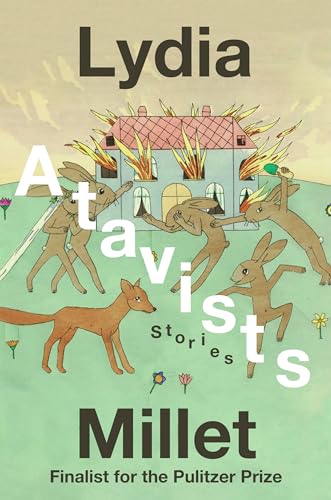
This book reads somewhat like a collection of short stories yet some of them have ties to others. Interesting. I may try some of her other books when I clear my reading list a bit.
Missive #631 Published 4 January 2026
Continuing The Anti-Federalist Papers
Federal Farmer VII
by Federal Farmer
Missive #630 Published 3 January 2026
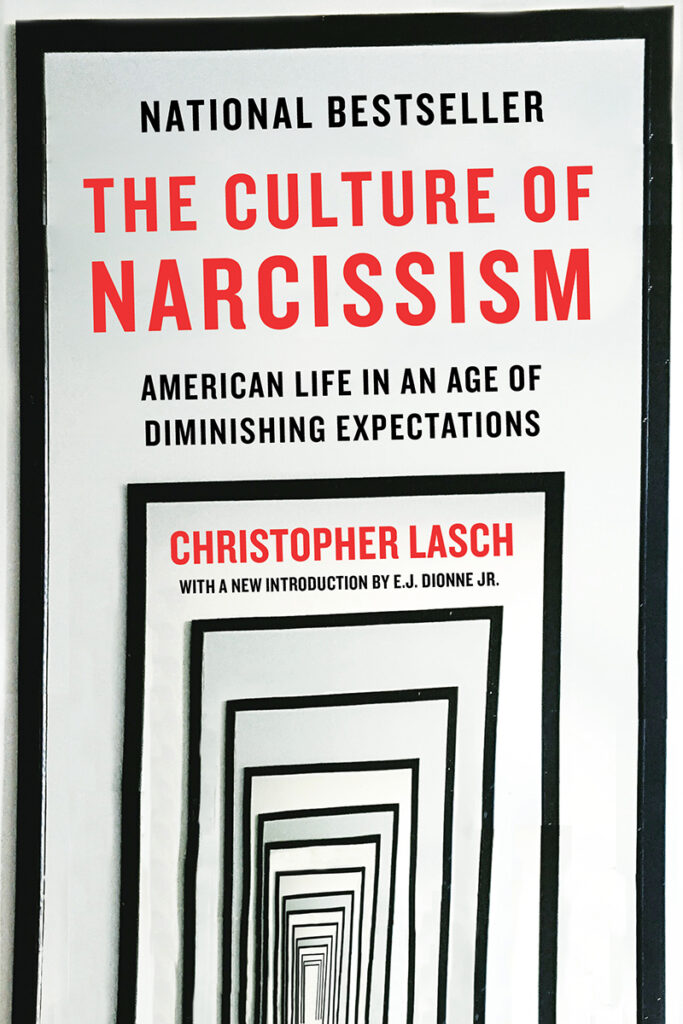
The Culture of Narcissism is a critical examination of American society, particularly during the late 1970s, authored by Christopher Lasch. The book posits that the American character was shifting from an individualistic mindset, which once emphasized personal achievement and societal contribution, to a more self-absorbed and narcissistic personality. Lasch identifies key traits of this new narcissistic individual, including a heavy reliance on external validation, emotional dependence on expert advice, and an inability to confront personal or societal issues independently. He argues that this shift resulted in a pervasive sense of unease and emptiness, as individuals became increasingly disconnected from their own moral authority and reliant on bureaucratic solutions to personal problems.