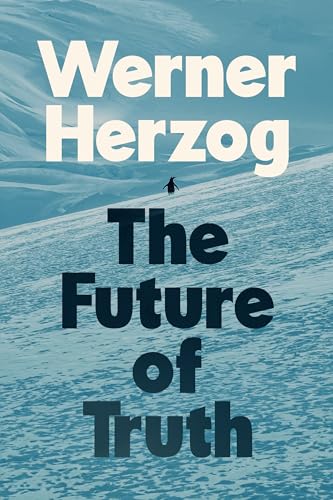
This is not a book you read quickly, and it’s not one you finish and set aside without a second thought. It asks something more of you—not just attention, but participation.
As you move through it, you may notice a subtle shift. At first, it feels like you’re reading about the world “out there”—media, information, technology, institutions. But gradually, the focus turns inward. The real subject becomes your own habits: how you decide what to trust, what you ignore, what you assume is true without checking.
There’s a quiet discomfort in that realization. Not dramatic, not overwhelming—but persistent. The book doesn’t accuse, and it doesn’t preach. Instead, it places you in situations that feel familiar enough to recognize, yet unfamiliar enough to question. You begin to see how easily certainty forms, and how rarely it’s examined.
Some sections may feel slower, even repetitive. That’s part of the experience. The ideas circle back, not because they lack direction, but because they mirror how we actually think—looping, reinforcing, revising. If you let that rhythm settle in, the message deepens.
What stands out most is not a single argument or conclusion, but a growing awareness: truth is no longer something you simply receive. It’s something you actively construct, often without realizing it. And once you see that, it’s hard to return to the old, more passive way of reading the world.
You may not agree with everything here. In fact, it’s probably better if you don’t. The value of the book isn’t in agreement—it’s in the way it sharpens your attention. It leaves you slightly more alert, a bit less certain, and perhaps more deliberate in how you navigate information.
By the end, you haven’t just read about “the future of truth.” You’ve felt a small part of what that future demands from you. — Book review by ChatGPT

That’s all there is.